How to Cite a Book in MLA 9
Learn the MLA 9 Works Cited format for books — one author, multiple authors, no author, editions, and translations — with in-text citation examples.
Academic integrity is non-negotiable. Professors want students to learn how to find credible sources, evaluate evidence, and integrate ideas responsibly. At the same time, formatting headaches and citation minutiae can distract instructors and students from the higher-order work of critical thinking. PERRLA is built to protect and reinforce integrity – not to replace the intellectual labor students must do.
In this post, we'll explore how PERRLA helps instructors teach and enforce proper sourcing, how PERRLA discourages misuse, and some practical ways faculty can integrate PERRLA into assignments to strengthen learning outcomes.
Faculty often raise two understandable worries when tools like PERRLA enter the classroom:
PERRLA already saves a paper as the student writes. The Writing Timeline turns those saves into a summary of writing sessions, time worked, how the paper grew, and the sources added along the way. It never includes the paper’s text and never labels writing as AI or human. At schools that use it, faculty open the timeline from a link on the title page.
PERRLA encourages users to enter and/or review full source information when adding a reference. That makes it easier for instructors and graders to check whether a cited source exists and whether the student engaged with the original material, rather than relying on vague or incomplete references.
Our interface helps students insert correctly formatted citations and exposes the underlying information (author, title, date, page) so students understand how the bibliographic pieces create correct formatting. This reinforces the research habit of verifying publication details rather than pasting incomplete or fabricated citations.
Students who rely on academic shortcuts often do so because they feel too stressed or pressed for time when writing. By handling all of the formatting – through the entire writing process – PERRLA gives students the breathing room they need to spend all of their mental energy on the content of their papers.
Ask students to attach a short annotation for each work in their References list explaining why they chose it and how it informs their argument. PERRLA’s Annotation feature allows students to easily add properly formatted annotations to their references while they're writing. We even allow students to create stand-alone Annotated Bibliographies.
Set intermediate due dates for large papers where students must submit a saved PERRLA draft before their final version is due. The Writing Timeline then shows the paper’s development between checkpoints, discouraging last-minute assembly and making it easier to coach revision practices.
Include rubric items that assess whether sources are credible, relevant, and integrated into the argument – not just whether citations are correctly formatted. PERRLA handles the format so you can grade a student paper's substance.
When a question comes up about how a paper developed, the timeline gives you and the student something specific to talk about, rather than an argument about the finished text.
PERRLA is a tool, not a policy. Colleges and departments still need clear guidance about acceptable assistance (including generative AI), collaboration rules, and what happens when those rules are broken. We support institutional policies by:
If your department has specific policy requirements, we’re happy to work with you to adopt PERRLA workflows that align with those rules.
PERRLA exists to remove technical barriers so instructors can focus on teaching what matters – critical thinking, evidence evaluation, and clear argumentation. By making citation mechanics reliable and transparent, giving students a Writing Timeline they can share, and encouraging documentation of research choices, PERRLA supports academic integrity while preserving the essential intellectual work students must do.
If you’d like a sample syllabus blurb, assignment template, or rubric language that integrates PERRLA and reinforces integrity, we can provide ready-to-use materials customized for your course – just reach out to us at [email protected].
Learn the MLA 9 Works Cited format for books — one author, multiple authors, no author, editions, and translations — with in-text citation examples.
Five nursing programs ran full case studies with PERRLA, from a required rollout to one with no requirements at all. Here's what changed for faculty, students, and grades.
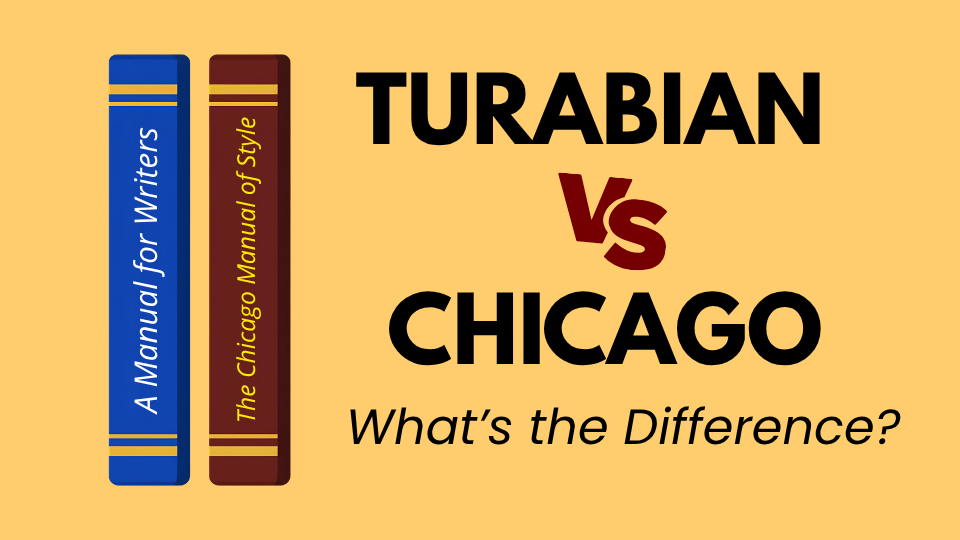
Turabian and Chicago are closely related, but they’re not the same thing. Here’s how the two guides differ, which citation system each one uses, and what PERRLA handles automatically when you start a Turabian paper.
PERRLA formats the whole paper in APA 7, MLA 9, and Turabian 9, from the title page to the last reference.
Try PERRLA free for 7 days