Writing papers is a challenge, but juggling your research AND the APA formatting rules is even harder! This course guides you through the basics of writing your first APA 7 paper.
This short course frames the essentials needed to produce a clean APA 7 student paper and explains how the lessons are organized – from setup through final checks. It offers a clear path for steady progress so the effort spent on formatting does not distract from the work of writing.
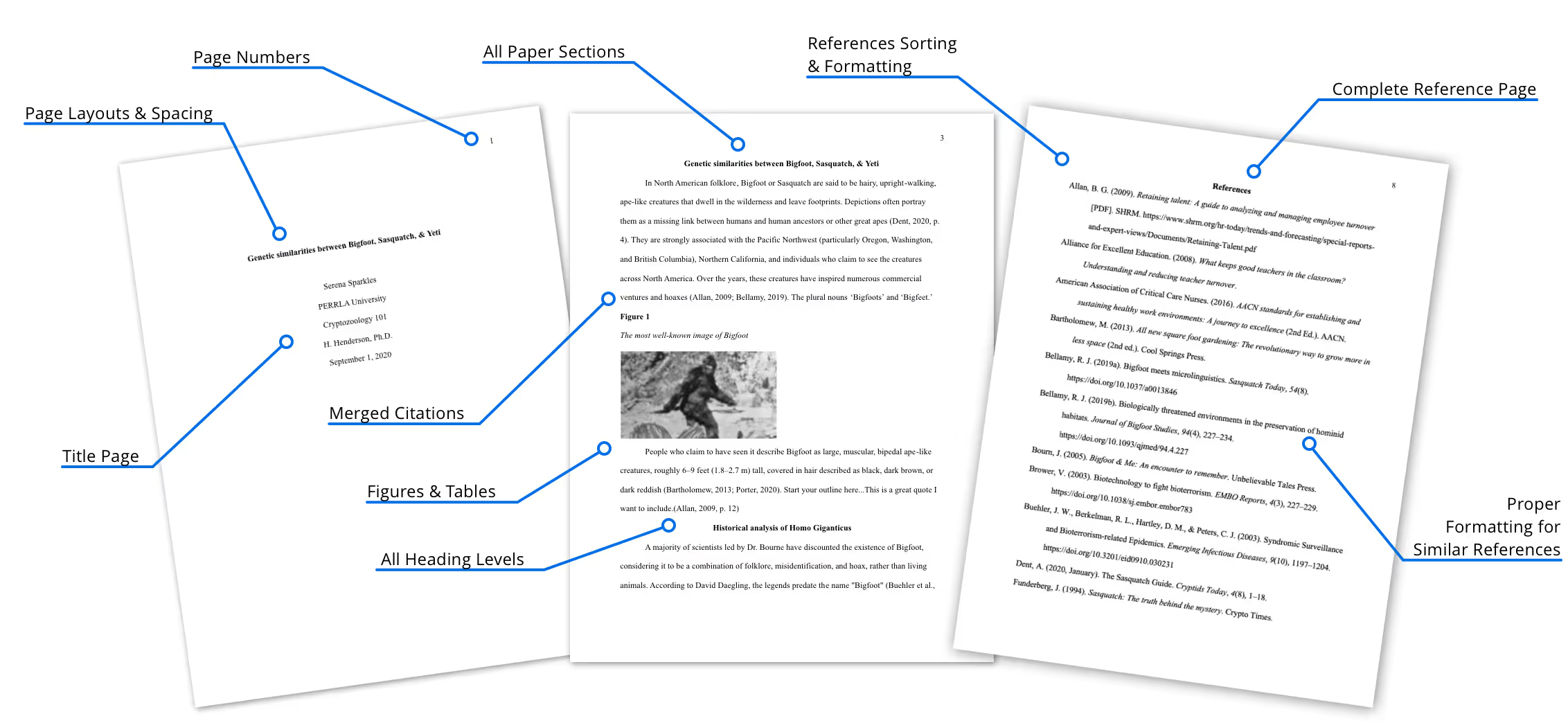
This lesson dives into the exact document settings that make an APA 7 student paper valid – page size, margins, font, spacing, indents, and header placement. Setting these options first prevents small formatting problems from becoming big headaches later.
The title page is the first impression for an instructor and a formal record of the paper’s details; this lesson explains the six required elements and how to place them so the page looks professional and complete. It also clarifies common instructor preferences that sometimes differ from the default.
This lesson covers what belongs on the opening body page and how to keep paragraph formatting consistent throughout the paper so ideas read clearly and flow logically. It also explains when the paper’s title serves as the introduction heading and when explicit section headings are helpful.
The References page is where the paper’s evidence becomes verifiable; this lesson focuses on the layout rules that make entries easy to scan and locate, including alphabetical order and hanging indents. It shows how consistent reference formatting supports reader trust.
This lesson shows a reliable workflow for collecting source details, choosing the correct reference type, and adding entries so the References page remains accurate as the draft grows. The aim is to reduce last-minute hunting for missing information.
Book references look straightforward until the small rules cause errors; this lesson walks through author formatting, year placement, sentence-case titles, and publisher names so a single clean pattern can be applied every time. Special cases such as no-date or corporate authors are also addressed.
Journal references often include volume, issue, page range, and a DOI – this lesson explains each piece and shows the exact order and punctuation that make the reference resolvable and professional. The lesson stresses why the DOI matters and how to present it correctly.
Online sources require judgement about what kind of reference applies and whether a retrieval date is needed; this lesson clarifies when to treat something as a webpage versus another type and how to present authorship, dates, and site names so links remain useful.
Citations are the backbone of academic argument — this lesson explains why citation matters ethically and intellectually and clarifies which kinds of content require credit. It gives a practical rule of thumb to decide whether an idea, datum, or image should be cited.
This lesson focuses on making claims traceable with concise author–date citations and shows how to handle single authors, multiple authors, no author, and unnamed organizations. It also covers page or location markers for quotations and sensible ways to combine multiple sources in one citation.
A good structure helps readers follow the logic from introduction to conclusion; this lesson offers a short approach to outlining main points, arranging supporting evidence, and building transitions that keep the paper focused. The goal is coherence that highlights the argument rather than hides it.
Headings organize a paper so readers can follow the argument without effort; this lesson explains how and when to use the five heading levels so each section feels intentional rather than scattered. It also covers the simple visual rules that keep headings consistent and readable.
When the exact words matter, block quotes show them clearly; this lesson explains the length threshold, the indentation rules, and where the citation belongs so long quotations integrate into the paper without breaking flow. It also offers guidance on when a paraphrase might serve better.
This lesson covers quoting, paraphrasing, and summarizing as practical tools for using sources ethically and effectively. It emphasizes how clear attribution and careful integration of evidence protect academic standing and make arguments stronger.
Tone and voice affect how ideas are received; this lesson outlines habits that produce a calm, objective, and credible academic voice and shows how clarity and evidence create authority without sounding stiff. It includes a few simple moves for tightening sentences and improving formality.
This final lesson lists the high-impact checks that catch most common errors before submission, from header and title page details to citation–reference matches and quote formatting. It presents a practical last-pass routine so presentation errors do not undermine the work.