How to Cite a Book in MLA 9
Learn the MLA 9 Works Cited format for books — one author, multiple authors, no author, editions, and translations — with in-text citation examples.
PERRLA/Blog/How to Paraphrase like a Pro and Avoid…

Paraphrasing isn’t as simple as it sounds. Learn how to restate ideas clearly, avoid common mistakes, and cite correctly so you can write with confidence, stay original, and never worry about accidental plagiarism again.
Paraphrasing sounds easy in theory – just say it in your own words, right? But in practice, it’s where a lot of students get tangled up. Too close to the original, and you’ve basically copied. Too far, and you might accidentally change the meaning.
Let’s break it down and get you paraphrasing with confidence – and without worrying about accidental plagiarism.
Paraphrasing is when you take someone else’s idea and restate it in your own words, while keeping the original meaning. Unlike quoting, you’re not using the author’s exact words – you’re translating their idea into your own academic voice.
It’s a writing superpower. It shows you understand the source and can work it into your paper smoothly.
✏️ Example
Original: “APA format was created to standardize scientific writing and improve clarity.”
Paraphrased: The APA style was developed to make scientific writing more consistent and easier to understand.
See? Same meaning. Different words. Your brain did that.👏
A lot of students think that if they paraphrase, they don’t need to cite. Nope.
If the idea came from someone else – even in your own words – it still needs a citation.
Think of citations like receipts:
Whether you quote or paraphrase, you’re still showing where the idea came from.
When you paraphrase in your paper using PERRLA, our tools make it easy to add the right in-text citation in APA, MLA, & Turabian format. You do the paraphrasing – we make sure the citation is spot-on.
Paraphrasing isn’t about sounding fancy – it’s about sounding like you while giving credit where it’s due. Now go forth and rewrite with purpose. 🧠💪
Learn the MLA 9 Works Cited format for books — one author, multiple authors, no author, editions, and translations — with in-text citation examples.
Five nursing programs ran full case studies with PERRLA, from a required rollout to one with no requirements at all. Here's what changed for faculty, students, and grades.
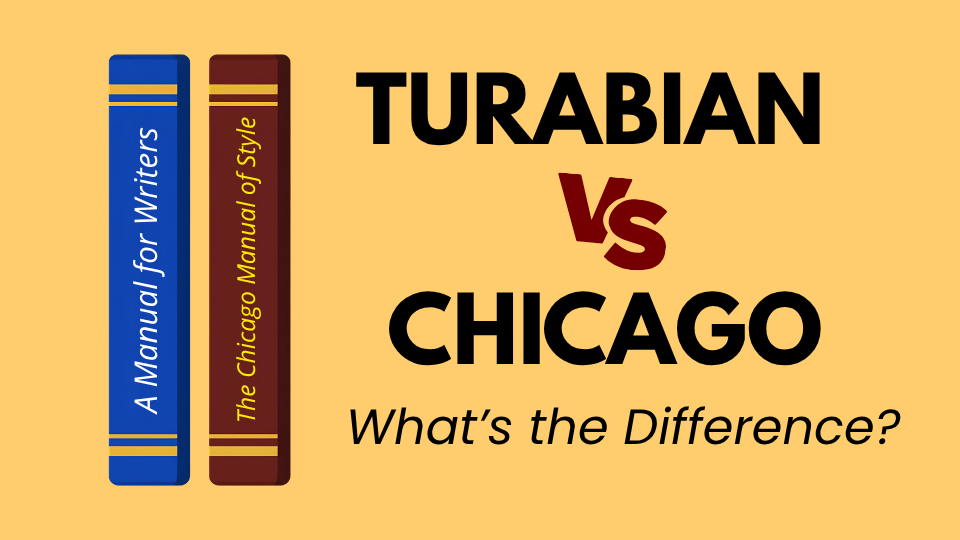
Turabian and Chicago are closely related, but they’re not the same thing. Here’s how the two guides differ, which citation system each one uses, and what PERRLA handles automatically when you start a Turabian paper.
PERRLA formats the whole paper in APA 7, MLA 9, and Turabian 9, from the title page to the last reference.
Try PERRLA free for 7 days